Highly-Rated Roofing Contractors: Superior Solutions for Your Property
Expert roofing contractors offer essential services that safeguard the longevity and durability of residential roofs. Their expertise and devotion to quality are evident through excellent customer feedback and the use of premium materials. Homeowners regularly face issues when selecting the right contractor. Understanding the common services delivered and the traits that define these professionals can considerably influence this decision. What factors should be considered to secure a reliable choice?
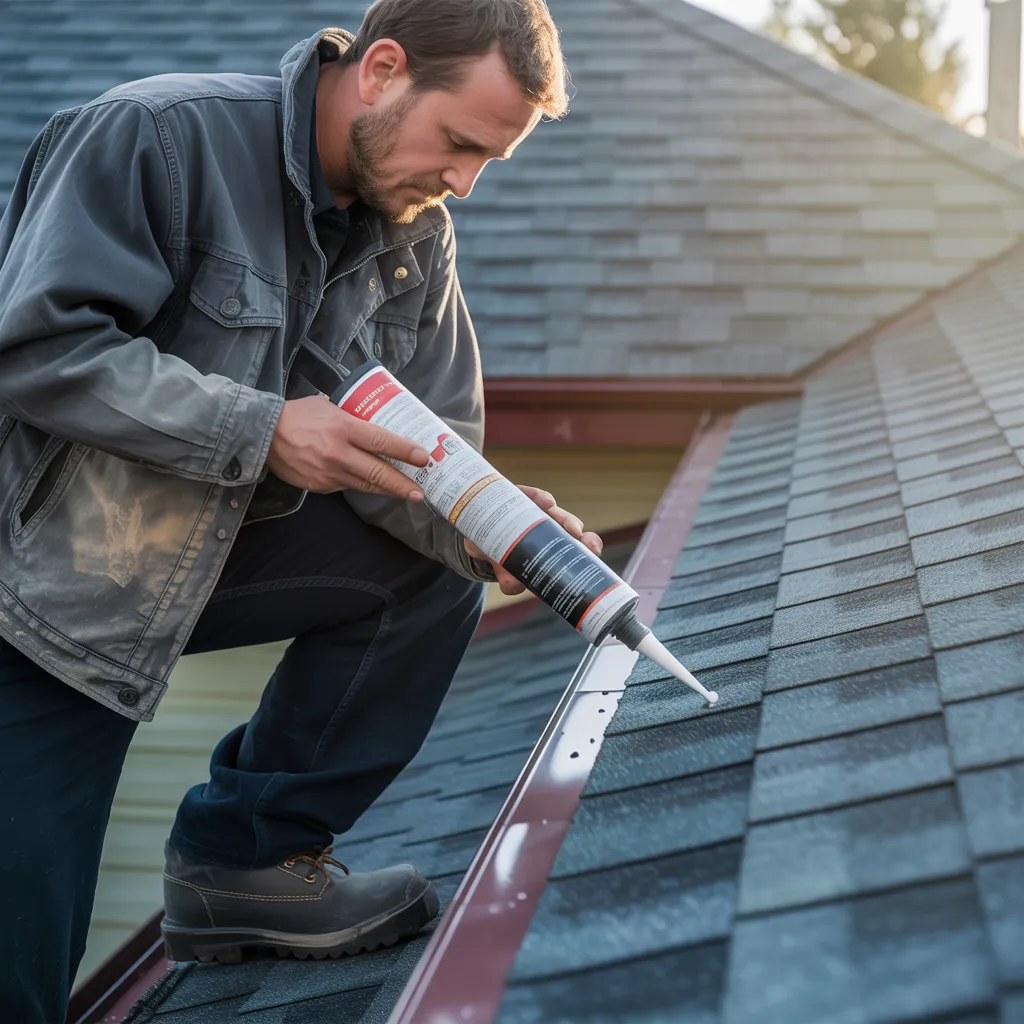
The Reasons to Choose Highly-Rated Roofing Contractors?
When homeowners deal with roofing concerns, picking top-rated roofing contractors can significantly affect the durability and quality of the repair or replacement. These contractors often possess a wealth of experience and expertise, making certain that the work is performed to the highest standards. Their credibility is usually founded on positive customer feedback, which serves as a reliable indicator of their quality and reliability.
Furthermore, premier contractors are more likely to employ top-grade materials, which can enhance the longevity of the roof and decrease the chance of future problems. They also often offer warranties on their work, offering homeowners with assurance. Beyond that, these professionals keep abreast with industry developments and regulations, assuring compliance and safety. In the end, selecting leading roofing contractors can result in a more smooth repair process, making certain that homeowners invest wisely in their property preservation and value.
Typical Roofing Services Delivered by Experts
Highly-rated Roofing Contractor roofing contractors usually deliver a spectrum of services developed to meet multiple roofing needs. Among the most common services are roof inspections, which aid in discover potential issues before they progress into costly repairs. Contractors also excel at roof repairs, fixing leaks, damaged shingles, and structural issues. For homeowners wanting a new appearance or improved functionality, roof replacement services are often available, including both material selection and installation.
In addition, maintenance services, including cleaning gutters and removing debris, are critical for prolonging the lifespan of a roof. Many contractors provide installation of roofing accessories, such as ventilation systems and skylights, boosting energy efficiency and aesthetics. Additionally, some experts deliver emergency services for situations that demand immediate attention, providing safety and security. In general, these services reflect the varied expertise of top-rated roofing contractors, catering to the individual needs of homeowners.
Critical Attributes to Look For in Roofing Contractors
Discovering the right roofing contractor requires meticulous analysis of numerous essential traits that can signify reliability and expertise. First, a credible contractor should have valid licensing and insurance, securing compliance with local regulations and defending homeowners from liability. Experience in the roofing industry is vital, as it demonstrates proficiency in managing multiple roofing systems and challenges.
Additionally, a solid portfolio of completed projects can demonstrate the contractor's work quality and thoroughness. Communication skills are similarly crucial; a quality contractor should be accessible, transparent, and eager to outline the process in detail.
Furthermore, strong customer feedback and testimonials can deliver perspective on the contractor's dependability and quality of service. Ultimately, a commitment to using superior materials and extending warranties showcases a contractor's emphasis on long-term customer satisfaction. By examining these characteristics, homeowners can locate a reputable roofing contractor who will address their requirements effectively.
Important Questions to Ask Roofing Contractors?
What key inquiries should homeowners make when engaging roofing contractors? To begin with, they should question the contractor's licensing and insurance standing to guarantee adherence to local codes and safeguarding from possible liabilities. Homeowners should also inquire about the contractor's experience, particularly with the variety of roofing products and systems they intend to use.
Additionally, knowing the projected timeline for project completion can assist in manage expectations. Homeowners should seek a complete written estimate, listing costs and payment schedules to circumvent surprises later.
Furthermore, questioning the warranty on both materials and workmanship is vital for lasting peace of mind. Homeowners should also request references from previous clients to evaluate satisfaction and reliability. Furthermore, discussing safety protocols and the handling of unanticipated issues can offer insight into the contractor's professionalism and preparedness. These questions can greatly influence the selection of a qualified roofing contractor.
How to Assess Reviews of Roofing Contractors
Assessing reviews of roofing contractors calls for a careful analysis of multiple key factors. It is crucial to check overall ratings, assess specific comments made by earlier clients, and identify consistent patterns in feedback. This systematic approach can enable homeowners come to informed decisions when picking a contractor.
Examine Total Evaluations
How can one discern the quality of roofing contractors among a sea of online reviews? Checking overall ratings serves as an effective starting point. Potential clients should search for contractors with consistently high ratings across multiple platforms, such as Google, Yelp, and Angie's List. A minimum average rating of four stars can indicate a reliable service provider, though it is essential to examine the volume of reviews as well. A contractor with a high rating but few reviews may not indicate a well-rounded reputation. Additionally, monitoring trends in ratings over time can reveal whether a contractor is maintaining quality or experiencing a downturn. This approach allows homeowners to filter candidates effectively and focus on those with proven track records in the roofing industry.
Examine Particular Comments
While assessing the quality of roofing contractors, studying specific comments in reviews can provide valuable insights. Comprehensive reviews often showcases a contractor's strengths and weaknesses, uncovering aspects such as workmanship, reliability, and communication skills. Customers may discuss their experiences related to project timelines, cleanliness during construction, and responsiveness to inquiries. Positive comments can indicate a contractor's ability to deliver satisfactory results, while negative remarks might raise concerns about potential issues. Moreover, comments that mention specific projects or materials can help determine a contractor's expertise in particular areas. By focusing on these specific details rather than general impressions, homeowners can make more informed decisions when selecting a roofing contractor that meets their needs and expectations.
Look For Patterns
Patterns in reviews can reveal essential information about roofing contractors that may not be immediately apparent. By examining numerous testimonials, homeowners can recognize consistent patterns regarding a contractor's workmanship, dependability, and client care. For instance, if several feedbacks underscore punctuality and strong communication skills, it may indicate a contractor's devotion to quality service. Conversely, repeated grievances about poor workmanship or delays could signal potential issues. Additionally, analyzing the context of ratings—whether they are fresh or extend over time—can offer perspective on a contractor's present service quality. Homeowners should also consider the volume of feedback, as a greater amount can add legitimacy to the feedback. Finally, understanding these indicators assists in making knowledgeable selections when hiring a roofing contractor.
Roofing Expenses: What to Expect
Establishing roofing costs can be a challenging task for many homeowners. Multiple elements contribute to the overall expense, including the roofing material, the size of the roof, and the complexity of the installation. For instance, asphalt shingles typically provide a more budget-friendly option, while materials like slate or metal can greatly increase costs due to their durability and aesthetic appeal.
Homeowners need to factor in labor costs, which can fluctuate depending on region and contractor experience. Further expenditures might result from necessary repairs or upgrades to underlying structures, such as insulation or ventilation. It is recommended for homeowners to gather multiple estimates from reputable roofing contractors to guarantee a thorough understanding of the potential costs. By doing so, they can better prepare their budgets and make informed decisions regarding their roofing projects, ensuring a successful and satisfactory outcome.
Recommendations for Maintaining Your Roof Post-Installation
Maintaining a roof after installation is vital for its longevity and performance. Regular inspections can help identify potential issues early, while regular gutter cleaning prevents water buildup and damage. These proactive measures play a major role to protecting the integrity of the roofing system.
Periodic Inspections Are Necessary
While many homeowners could overlook the value of roof inspections post installation, these assessments are vital for maintaining long-term durability and performance. Regular inspections enable roofing contractors to identify potential concerns early, such as loose shingles, leaks, or signs of wear that could result in costly repairs if neglected. It is advised that homeowners schedule inspections at least one time per year, as well as after severe weather events. Professional assessments can help copyright the roof's integrity and prolong its lifespan. In addition, documenting inspection findings offers valuable insights for future maintenance and insurance claims. By prioritizing regular assessments, homeowners can protect their investment and ensure their roof continues to deliver reliable shelter for years to come.
Maintain Clean Gutters Often
A well-maintained gutter system is vital for safeguarding the integrity of a roof. Obstructed gutters can cause water overflow, leading to damage to both the roof and the home's foundation. Routine maintenance, preferably biannually, helps avoid this issue. Homeowners should examine gutters for leaves, debris, and blockages, ensuring proper water flow. If necessary, they may consider installing gutter guards to decrease maintenance. Additionally, it is important to check downspouts for obstructions and ensure they direct water away from the home. By keeping clear gutters, homeowners can preserve their roofing investment and extend the lifespan of their roof, ultimately avoiding costly repairs in the future. Routine gutter upkeep is a straightforward yet efficient method for long-term roof maintenance.
Your Questions Answered
How Long Does a Typical Roofing Project Take to Complete?
A standard roofing project typically takes 1-2 weeks to complete, contingent upon factors like the size of the project, weather conditions, and the type of materials being used for the roofing project.
What Warranties Are Usually Offered by Roofing Contractors?
Roofing contractors typically offer warranties that include coverage for workmanship and materials, spanning 10 to 50 years. Such warranties ensure protection against defects and deliver peace of mind for homeowners about the longevity of their roofing investment.
Can I Install a New Roof Over My Existing Roof?
A new roof can be installed over an existing one, commonly known as "roof overlay." However, it is crucial to consider area building regulations, structural soundness, and possible future problems before moving ahead.
What Should I Do When My Roof Leaks After Installation?
When a roof experiences leakage following installation, the homeowner should immediately notify the contractor for a thorough inspection. Immediate action is necessary to deal with potential problems, which include warranty claims, and avoid additional damage to the property.
Are Financing Solutions Available for Roofing Projects?
Certainly, several financing alternatives exist for roofing projects. Property owners can examine personal loans, credit lines, or contractor financing programs, allowing them to manage costs effectively while ensuring their roofing needs are met promptly and efficiently.